
Hopewell Previous Residents Sources, Arranged by Era
A Hopewell address trail usually begins with the current parcel context and moves backward to recorded instruments, annual land books, and historical sources. Each source answers a different question. The assessment route helps anchor the parcel and legal description; a deed can connect one recorded transfer to an earlier one; a census or directory can provide a household clue. The table marks unverified spans plainly because live CivQuest cards and Hopewell deed-index coverage were not inspected during research.
| Source | Years it covers | Where held | What it can show |
|---|---|---|---|
| CivQuest Atlas and assessment materials | Current platform; live field-card coverage unverified | City of Hopewell Assessor | Address, parcel number, legal description, or map search keys. |
| Annual Land Book archive | 2014-2026 | City of Hopewell | Taxable and exempt land-book series; format and values vary by book. |
| Recorded land instruments | Hopewell online coverage: verify locally | Hopewell Circuit Court Clerk | Grantor, grantee, dates, legal-description references, and prior-instrument clues where available. |
| Library house-history and locality research | Depends on the underlying record | Library of Virginia and local collections | A method that joins deeds, tax material, maps, census, and city directories. |
| Federal census | Public decennial census through 1950 | National and Library of Virginia research routes | Historical household and locality information, subject to the schedule and geography. |
| Leake local-history holdings | Verify catalog | Appomattox Regional Library | Primary documents, photographs, slides, books, and locally held context. |
Start with the era that is known. A recent Hopewell address question may begin with the parcel and land-book sequence, while a much older Hopewell question may begin with a library catalog, census place name, or City Point reference. No row in this table promises that a particular person appears in any record.
Start a Hopewell Previous Residents Search with a Parcel
The City of Hopewell directs property searches to CivQuest Atlas, which accepts address, parcel number, legal description, and map searches. The assessor maintains property information and ownership records, prepares the annual Land Book, and handles assessment changes. The live field cards were not verified in this research, so do not assume which result fields will display until a specific public record is opened.
Save the exact spelling of the street, parcel or map number, and legal description shown in the official source. A Hopewell legal description is often more stable than a street label when a historic source uses City Point, an annexed-area description, or a pre-1916 Prince George County jurisdiction. CivQuest's map is general information, not a survey or a floodplain determination.
Property search terms are not proof of who lived at an address. They are the durable keys that make the next record search more precise.
Trace Past Residents Through a Hopewell Deed Chain
The local recorder is the Hopewell Circuit Court Clerk, at 100 E Broadway, Room 251, Hopewell, VA 23860, 804-541-2239. The clerk is the local custodian for land instruments, probate material, marriage licenses, and circuit-court records. The clerk page lists hours of 8:30 a.m. to 4:00 p.m. Hopewell Secure Remote Access index or image availability, and its exact date coverage, were not verified, so contact the clerk before relying on a remote route.
See the Hopewell land-record cover-sheet interface for the local instrument vocabulary.
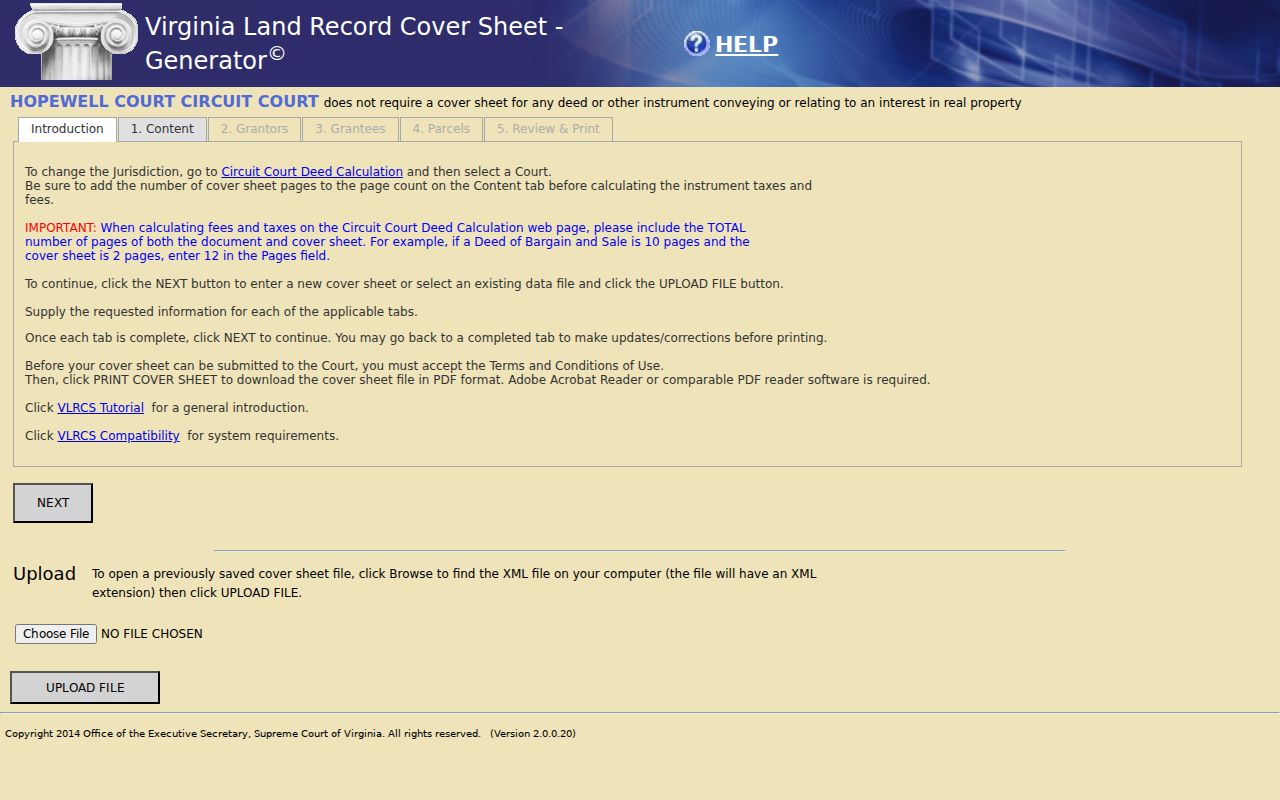
The Hopewell interface identifies Content, Grantors, Grantees, Parcels, and Review and Print, and states that a cover sheet is not required for a deed or instrument conveying real property in Hopewell. Those labels help frame a records request or an in-person index search without claiming that an online Hopewell deed row is publicly available.
- Locate the parcel or legal description through the official assessor route and write down the date checked.
- Ask the Circuit Court Clerk how to search the current recorded-instrument index by party, instrument, or parcel reference.
- Use the recorded transfer to identify the earlier party and the prior-instrument reference, where the instrument supplies one.
- Search backward one transfer at a time, keeping the recording date, instrument type, book or instrument reference, and jurisdiction together.
- When the trail reaches City Point or a county-era record, search the historic locality name and confirm the jurisdiction from the document date.
- Grantor and grantee
- The grantor is the party transferring an interest; the grantee is the party receiving it.
- Chain of title
- A documented sequence of recorded transfers connecting the parcel across time.
- Legal description
- The parcel wording used in an instrument or assessment record, often more reliable than an old street address.
- Criss-cross directory
- A street-order directory section, when one exists, that can supply an address-based historical clue.
Hopewell Previous Residents in Land Books, 2014-2026
Hopewell's annual Land Book archive has a clear online series from 2014 through 2026. The city explains that the annual books distinguish taxable and exempt real property, with signed copies delivered to the Circuit Court, Board of Equalization, and Treasurer. This makes the archive a useful dated sequence beside a deed chain, but a land book is an assessment record, not a complete account of a household.
The Hopewell Land Book archive is the official route for the annual list.
The 2023 tax-exempt signed Hopewell Land Book supplies a local format example: DBA or map number, owner, situs address, legal description, acreage, land value, improvement value, total value, and tax columns. That format belongs to the cited land-book context and should not be treated as a promise that every current CivQuest result has the same fields.
Note: Compare each Land Book to the year printed on it, because an annual assessment series is not a live indicator of present conditions.
Hopewell Past Residents and a Library House History
The Library of Virginia house-history guide organizes a method around deeds, tax records, maps, census schedules, and city directories. It is a productive way to reconcile conflicting clues because each record is dated and keyed differently. For Hopewell, use the independent-city label for current local records while keeping City Point and Prince George County ready as historic search terms when the date supports them.
Open the Library of Virginia house-history research guide for the linked-record method.
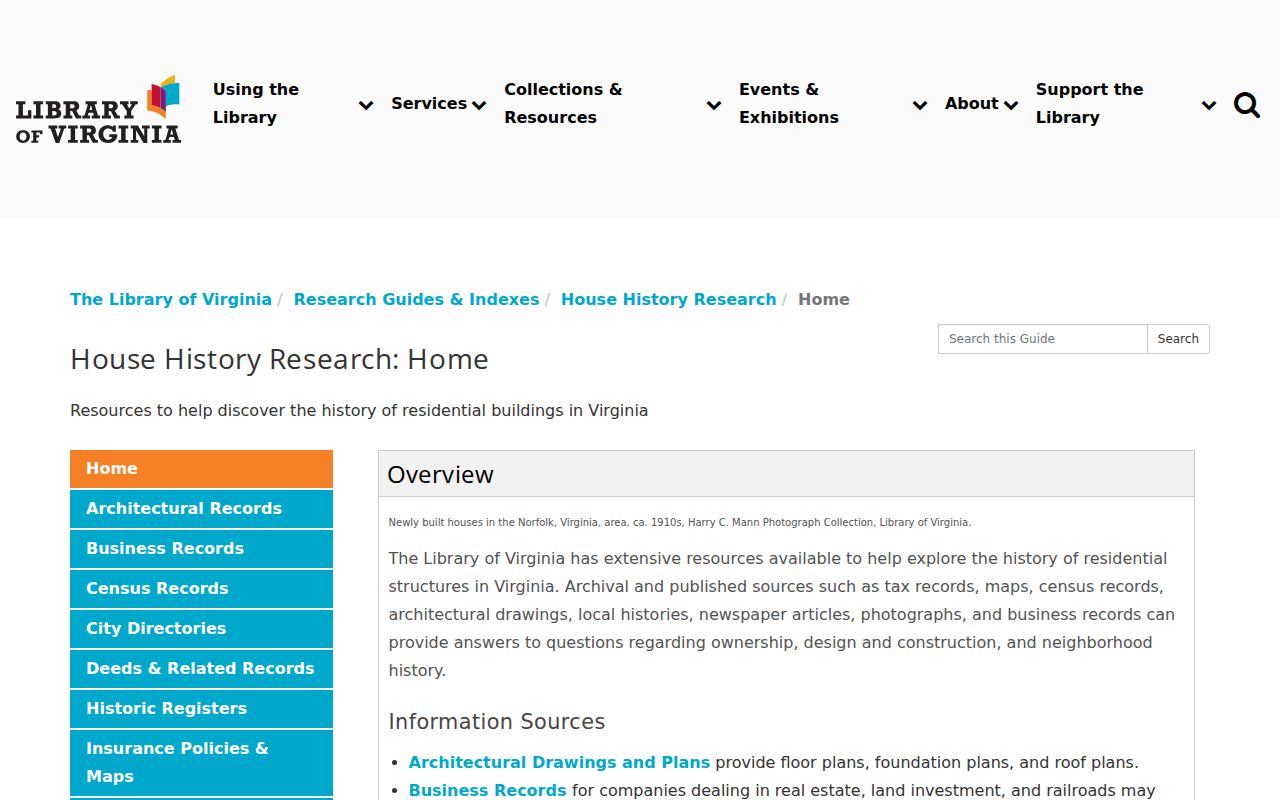
For Hopewell, the guide's value is the sequence: use a deed or assessment clue to find a date and legal description, then compare that date with maps, census material, and available directories. It does not convert a single address hit into a verified list of everyone who ever lived there. The Leake room and the Historic Hopewell Foundation can add local historical context to a documented Hopewell address trail.
Hopewell Past Residents Across Changing Geography
Hopewell is an independent city, not a subdivision of Prince George County. The Library of Virginia locality history traces Hopewell's establishment to 1613. Historical searching may still require the Prince George County name because the locality history places Hopewell there before it became an independent city in 1916. City Point was annexed in 1923, followed by annexations of Prince George County territory in 1952 and 1969. A search that uses only the present label can miss a relevant historical description.
| Before 1916 | Search Hopewell and Prince George County terminology, then verify the dated jurisdiction. |
|---|---|
| City Point material | Use City Point as a cross-key, especially for records before or around the 1923 annexation. |
| Later annexed areas | Check the instrument date and the locality named in the record before assigning it to modern Hopewell. |
| Current parcel work | Start with Hopewell Assessor and CivQuest, then work outward only when historical context requires it. |
This dated sequence helps explain why the same address trail crosses record labels:
- 1613: the Library of Virginia locality history traces Hopewell's establishment to this date.
- 1914 and 1915: the DuPont development and a major fire changed the local historical setting.
- 1916 and 1923: Hopewell became an independent city and then annexed City Point.
- 1952 and 1969: later annexations of Prince George County territory added further jurisdictional context.
This Hopewell geography is not a technical footnote. It is often the reason a surname, map, deed, or census clue appears under a name different from the current Hopewell address.
The 1915 Hopewell Map Gap in a Past Residents Search
Hopewell maps can help test whether an address, lot, landmark, or street existed at a given time, but the record gap must remain visible. A 1915 Petersburg Sanborn item at the Library of Congress names Hopewell among the places appearing on the original map. Research did not locate a standalone Hopewell Sanborn sheet. Use the item as an adjacent-map clue and verify any catalog result before presenting it as a Hopewell map.
The City of Hopewell history also records the 1914 DuPont development and the 1915 fire. Those events can explain why a property trail shifts, why a map or library record needs a wider date range, or why the built setting of an address does not match a later description. They do not establish a past household by themselves.
Past Households: Directories, Census, and Probate
Hopewell owners and occupants do not always appear in the same record. When a dated directory or a street-order listing can be confirmed, pair it with the closest available census schedule and then test the family trail with probate or estate research. The Hopewell city-directory collections resource focuses on where to verify historical volumes rather than treating an unconfirmed catalog entry as a source.
Use the Library of Virginia wills and estate-record guide to identify the state archival research route for probate and estate material.
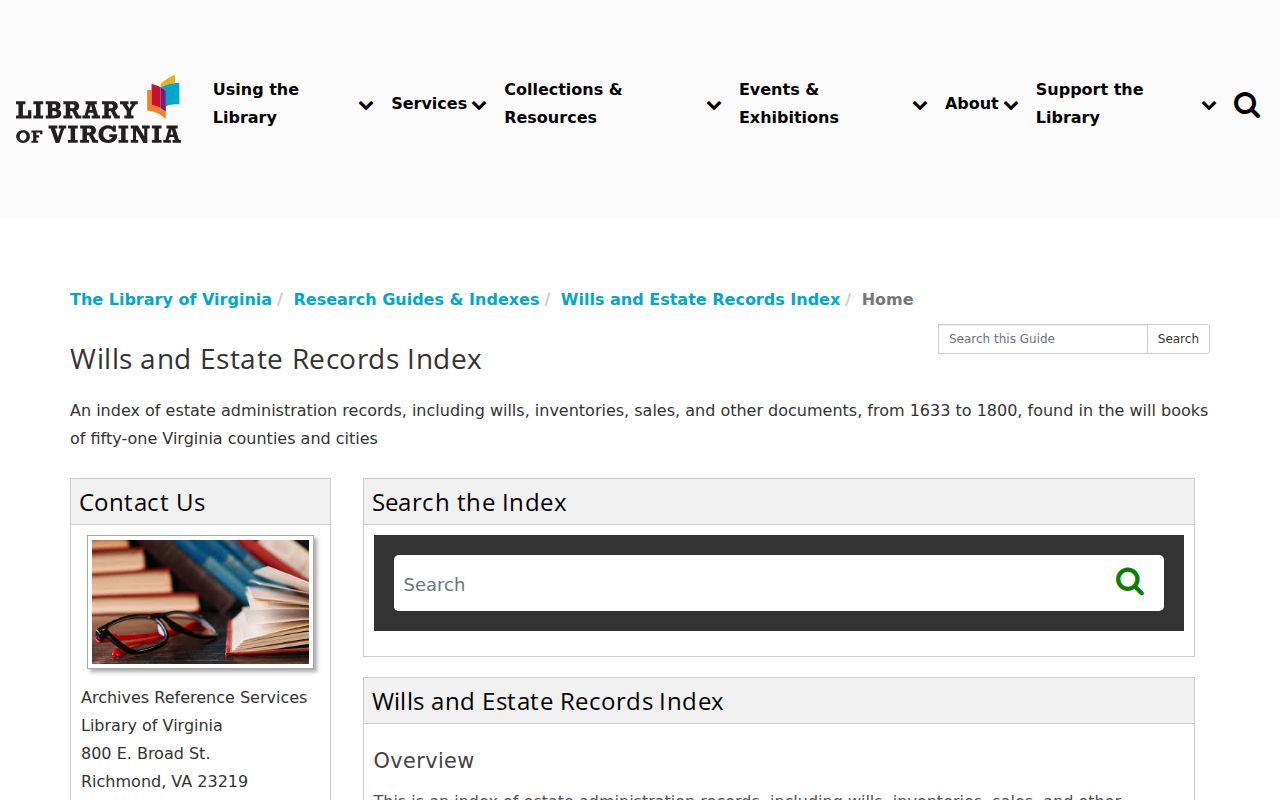
Estate material can clarify a relationship or a transfer after a death, but it should be read with the court and locality. A name that disappears from a directory can reflect a move, a changed listing practice, or a missing volume, so the disappearance alone is not a conclusion.
VADeed Alert and Lawful Hopewell House History
Virginia's VADeed Alert provides a free notification when a selected name is recorded in local land records. Hopewell's current city releases list a July 8, 2026 launch by the Circuit Court Clerk. The feature is an opt-in change alert, not a public ownership list and not a substitute for a clerk-index search or a reviewed instrument.
See the Virginia Courts online services for the VADeed Alert route.
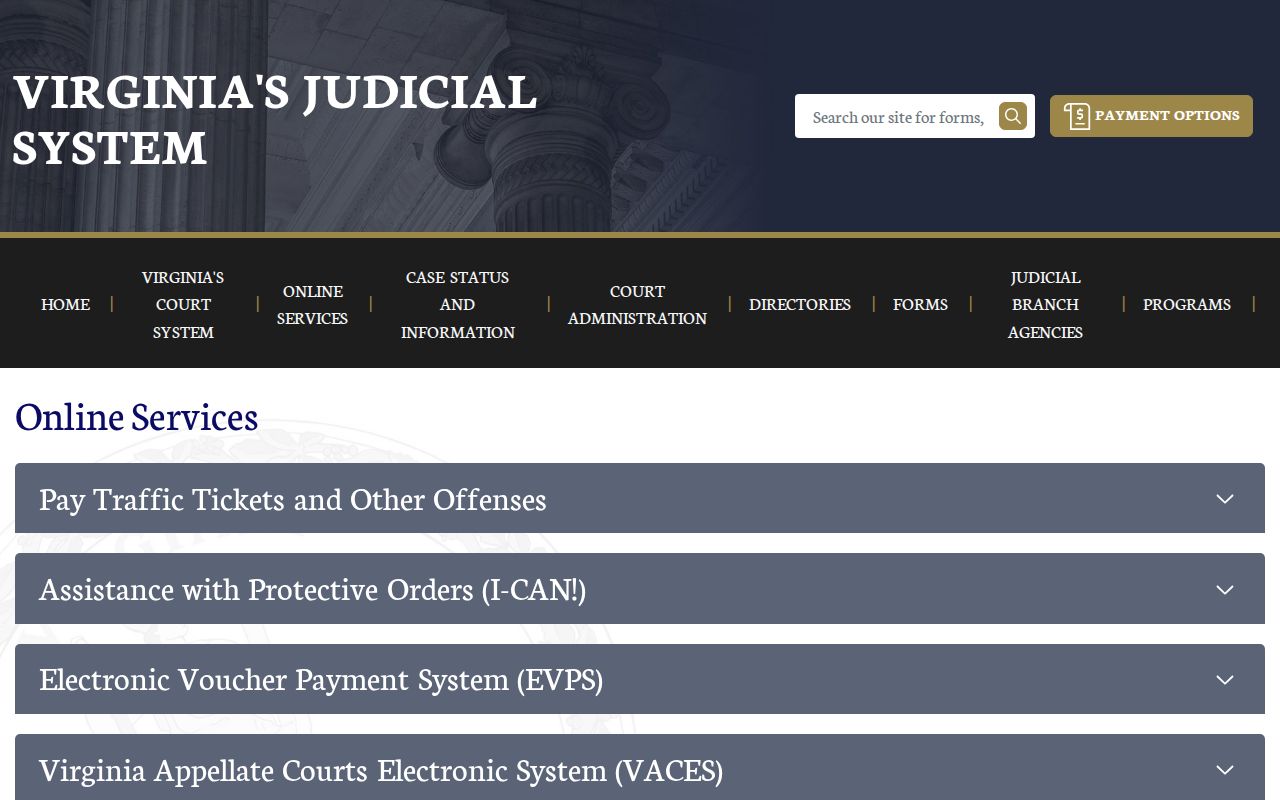
The July 2026 Hopewell launch is a dated change in the local records path, so confirm the available setup and notification details when using it. For Hopewell researchers, it may flag a later recording, while the backward trail still depends on the parcel, the clerk's records, and the historic source chain.
Lawful personal use. Hopewell house-history research is for family history, estate questions, preservation, and personal curiosity. Do not use historical or current record clues to harass, stalk, track, or expose a living person.